
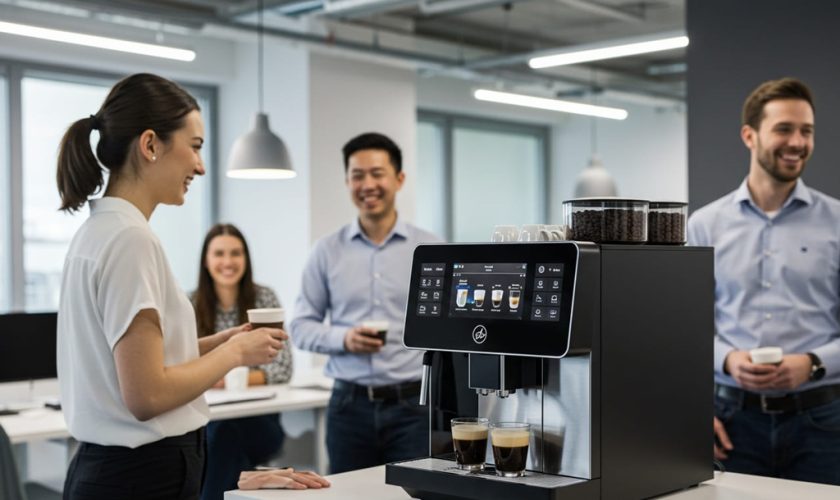
A well-maintained coffee machine for office Singapore workplaces rely on will deliver consistent, excellent coffee for years. Neglect that same machine, and within months it will produce bitter, lukewarm drinks that no one wants to touch. Maintenance is not glamorous work, but it is the craft that keeps the craft of good coffee alive.
Why Maintenance Matters in Singapore
Singapore’s tropical climate introduces specific challenges for coffee machine upkeep. High humidity accelerates the growth of mould and bacteria in damp machine components. Warm ambient temperatures mean milk residue sours faster than in cooler climates. Even Singapore’s high-quality tap water deposits trace minerals inside boilers and pipes over time.
These factors make regular maintenance not merely advisable but essential. A machine operating in a Singapore office requires more attentive care than the same model in a temperate European city. Understanding this climate-specific reality is the first step toward proper upkeep.
Daily Maintenance Tasks
Certain tasks should be performed every working day, ideally by a designated staff member or on a rotating roster. These daily rituals take only five to ten minutes but prevent the most common hygiene and performance issues:
- Empty the drip tray – A full drip tray overflows, creating mess and attracting insects. Empty and rinse it each morning.
- Discard used coffee grounds – The grounds container should be emptied daily to prevent mould growth and unpleasant odours.
- Wipe external surfaces – Splashes of milk and coffee stain and harden if left overnight. A damp cloth keeps the machine presentable.
- Rinse the milk system – If your workplace coffee system uses fresh milk, flush the frothing mechanism with clean water after the last use each day. Dried milk residue is the primary cause of hygiene issues in office machines.
- Run the automatic rinse cycle – Most commercial machines feature a one-button rinse programme. Run it at the end of each day to flush brewing residue from internal pathways.
“We assigned our pantry cleaning duties on a weekly rotation,” explains Kenneth Tan, office administrator at a shipping firm in Keppel Bay. “Once everyone understood what was needed, it became second nature. Our bean-to-cup machine has been trouble-free for over a year.”
Weekly Maintenance Tasks
Beyond daily care, certain tasks require weekly attention:
The brew group – the component that compresses and extracts coffee – should be removed and rinsed under running water once a week. Coffee oils accumulate on its surfaces, eventually turning rancid and tainting every cup. A clean brew group ensures fresh flavour.
The water tank, if your machine uses a reservoir rather than a direct line, should be emptied, rinsed, and refilled with fresh water weekly. Stagnant water develops an off taste that transfers to the coffee.
Check and clean the bean hopper. Coffee beans release oils that coat the hopper walls. Over time, these oils oxidise and impart stale flavours. A dry cloth wipe removes the residue effectively.
Monthly and Quarterly Tasks
Some maintenance activities occur on longer cycles. Monthly tasks include running a descaling programme to remove mineral buildup from the boiler and internal pipes. Descaling solutions are available from most machine suppliers and are specifically formulated for the machine’s materials.
Quarterly tasks are best handled by professional technicians. These include deep cleaning internal components that are not user-accessible, inspecting seals and gaskets for wear, recalibrating pressure and temperature settings, and replacing water filtration cartridges.
If you have a rental agreement with a reputable coffee machine for office Singapore supplier, these quarterly visits are typically included in your contract. This professional servicing complements daily and weekly care performed by your staff.
Common Problems and How to Prevent Them
Understanding frequent issues helps you avoid them:
Weak or watery coffee usually results from a grinder set too coarse or a brew group clogged with old coffee oils. Adjust the grind setting and clean the brew group. If the problem persists, have a technician inspect the pump pressure.
Coffee tastes bitter or burnt often indicates water that is too hot or coffee grounds that are too fine. Check the temperature setting and adjust the grinder toward a coarser setting. Scale buildup in the boiler can also cause overheating, so ensure descaling is up to date.
Machine leaks typically stem from worn seals, a cracked drip tray, or an overfilled water tank. Inspect visible seals for damage and ensure the drip tray is properly seated.
Milk froth is thin or inconsistent – this usually means the frothing nozzle is partially blocked with dried milk. Remove and soak the nozzle in warm water, then clear the aperture with the cleaning pin provided with most office espresso machine models.
Tips for Extending Machine Life
Beyond routine maintenance, several practices extend your machine’s operational lifespan:
Use quality coffee beans.
Cheap, oily beans clog grinders faster and leave more residue in the brewing system. Medium-roast beans with moderate oil content are gentlest on the machine’s internals.
Do not ignore warning indicators.
Modern machines display alerts for descaling, filter changes, and component cleaning. Addressing these promptly prevents minor issues from becoming major repairs.
Ensure adequate ventilation around the machine.
Coffee machines generate heat, and restricted airflow causes components to run hotter than designed, accelerating wear.
Keep the office brewing equipment area clean and dry.
Water splashes around the machine base can seep into electronic components housed underneath, causing corrosion and electrical faults.
Building a Maintenance Culture
The most effective maintenance programmes are those embedded in office culture rather than dependent on a single responsible person. Create a simple checklist posted near the machine. Rotate cleaning duties fairly. Acknowledge staff who take pride in keeping the machine in good condition.
When maintenance becomes a shared responsibility, your corporate coffee solution remains in peak condition year-round. The reward is a machine that works flawlessly every morning and coffee that tastes as good on its thousandth cup as it did on its first – a testament to the quiet discipline of proper care for your coffee machine for office Singapore teams depend upon.


