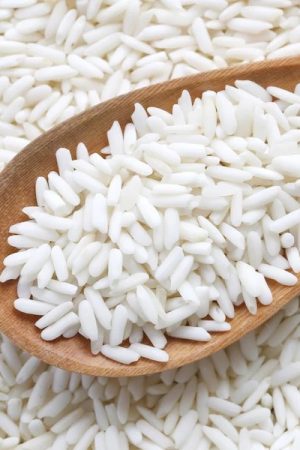



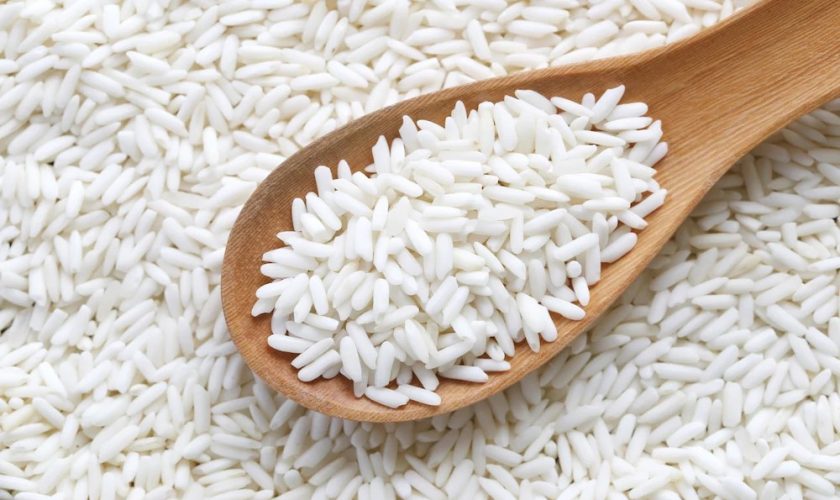
Sticky rice Singapore kitchens depend upon is one of those ingredients that sits quietly at the centre of an entire culinary tradition, unremarkable in appearance and yet indispensable to the flavours and textures that define a significant portion of the food eaten across this island every single day. It goes by several names depending on who is doing the cooking and what they are making: glutinous rice, waxy rice, sweet rice. The names change; the grain remains the same.
What Makes Sticky Rice Different
At the scientific level, the distinction between ordinary long grain rice and glutinous rice comes down to starch chemistry. Regular rice contains both amylose and amylopectin. Glutinous rice contains almost no amylose at all, which means that when it is cooked, the starch behaves very differently. The grains absorb water and bond to one another, producing that characteristic sticky, chewy texture that makes the rice simultaneously a binding agent and a flavour carrier.
What it does not contain, despite the name, is gluten. The term glutinous refers to the glue-like consistency of the cooked grain, not to the protein found in wheat. This distinction matters considerably for food labelling and for buyers serving customers with wheat sensitivities.
Varieties of Sticky Rice Found in Singapore
Glutinous rice in Singapore is not a single product. The market carries several distinct varieties, each suited to different culinary applications.
- White glutinous rice is the most widely available form, used across a broad range of Singaporean, Chinese, Malay, and Thai dishes. It cooks to a translucent, cohesive mass and absorbs coconut milk, pandan, and other flavourings readily
- Black glutinous rice carries a deep purple-black colour from its outer bran layer and is used in desserts including bubur pulut hitam, the rich rice porridge that appears on hawker centre menus across the island
- Short grain glutinous rice from Taiwan serves more specialist applications and is particularly valued in Taiwanese-style mochi and certain steamed cake preparations
- Thai glutinous rice, sourced from northern Thailand, is the preferred variety for mango sticky rice and for the sticky rice served alongside grilled meats in Thai-style food service
How Sticky Rice Is Used in Singapore’s Food Culture
Lawrence Wright once observed that a culture’s food tells you more about its history than almost any other artefact, and sticky rice singapore is a case in point. The island’s population draws on Chinese, Malay, Indian, Peranakan, and Thai culinary traditions, and glutinous rice appears in each of them, doing different work in different contexts.
In Chinese Singaporean cooking, glutinous rice is the foundation of lor mai gai, the steamed lotus leaf parcels filled with chicken, mushrooms, and Chinese sausage that appear in dim sum restaurants and hawker stalls across the island. It is also central to bak chang, the rice dumplings wrapped in bamboo leaves and eaten during the Dragon Boat Festival.
In Malay and Peranakan cooking, pulut, as glutinous rice is known in Malay, forms the base of kuih such as kuih seri muka, a two-layered steamed cake with a pandan custard top, and pulut hitam, the dessert made with black glutinous rice simmered in coconut milk.
Thai sticky rice, cooked by steaming in conical bamboo baskets, accompanies grilled chicken and papaya salad in the Thai restaurants and food courts that are scattered through Singapore’s commercial districts.
Sourcing Sticky Rice in Singapore
The supply chain for glutinous rice suppliers in Singapore is well established. Import licences from the Singapore Food Agency (SFA) are required for all commercial rice imports, and buyers should confirm that their supplier holds a current licence and can provide the relevant documentation for each consignment.
Key considerations when sourcing sticky rice commercially include:
- Country of origin: Thai glutinous rice and Taiwanese short grain varieties serve different culinary purposes; specify the origin before ordering
- Grade and quality certification: For Thai varieties in particular, grading standards from the Thai government provide assurance of purity and moisture content
- Pack sizes: Retail buyers typically require one to five kilogram packs; food service and manufacturing buyers will source in 25-kilogram bags or larger bulk formats
- Halal certification: Essential for buyers supplying Singapore’s multicultural food service sector, including hotels, hospitals, and institutional caterers
- Storage conditions: Glutinous rice absorbs ambient moisture readily in Singapore’s humid climate; confirm that your supplier uses appropriate humidity-controlled warehousing
Where Consumers Can Buy Sticky Rice in Singapore
For retail buyers and home cooks, sticky rice Singapore products are widely available across the island’s supermarket chains, neighbourhood provision shops, and wet market dry goods stalls. E-commerce platforms including Shopee, Redmart, Lazada, and NTUC Online carry multiple brands and pack sizes, making it straightforward to compare products and order for home delivery.
The Singapore Food Agency notes that all rice sold commercially in Singapore must meet the labelling requirements under the Food Regulations, including accurate declaration of the country of origin and the net weight. Buyers who encounter products without these declarations should treat that as a flag for further investigation.
Why Sticky Rice Matters to the Supply Chain
What is striking about glutinous rice, when you look at the full picture, is how much cultural work a single agricultural product is doing. It connects festival foods to everyday hawker meals, links Thai sourcing regions to Singaporean dining tables, and moves simultaneously through wholesale distribution networks and neighbourhood provision shops. The supply chain is unremarkable in its mechanics; what it delivers is anything but.
For any buyer seeking reliable supply, whether for a restaurant kitchen, a food manufacturing operation, or a retail outlet, the starting point is finding a distributor with the sourcing relationships, the certifications, and the storage infrastructure to keep sticky rice Singapore arriving consistently and in the condition the market demands.