


close

Food

Food

Tivano Cutting Board Reviews: Comparing Durability, Design, and Value

Welcome, fellow hosts and home chefs! If you’re anything like me, you know that providing guests with a sparkling, well-equipped kitchen isn’t just about impressing them—it’s about making their stay feel effortless, hygienic, and a little bit special. One of the most overlooked essentials? The humble cutting board. But not just any board will do. After years of trial and error, I’ve discovered the Tivano Cutting Board—a kitchen upgrade that’s as premium as it is practical. Let’s dive into why it’s become my go-to recommendation for anyone who wants the best for their guests (and themselves).

What is Tivano Cutting Board?

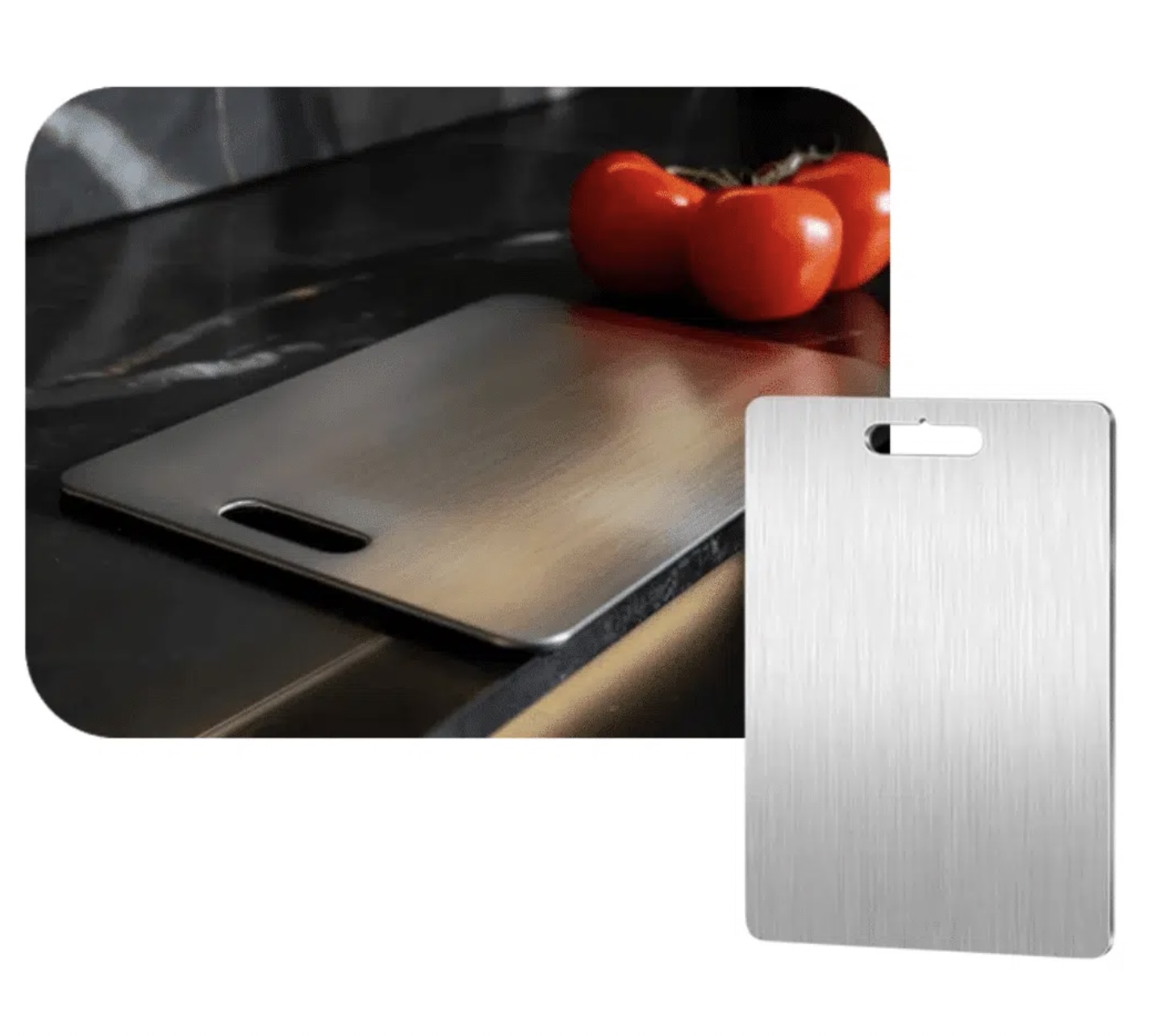
The Tivano Cutting Board isn’t your average prep surface. Imagine a cutting board designed with the same attention to detail you’d expect from a luxury hotel—sleek, durable, and above all, hygienic. Tivano has set out to solve the hidden problems of traditional boards: bacteria buildup, lingering odors, and the constant worry about cross-contamination.

At its core, Tivano features a proprietary TitaniumShield™ surface. Unlike wood, plastic, or even glass, this material is non-porous, naturally antibacterial, and resistant to scratches, stains, and odors. That means when you slice onions, garlic, or even raw chicken, you’re not leaving behind invisible germs or stubborn smells for the next guest—or for yourself.

But the innovation doesn’t stop there. Tivano is also:

  • Knife-Friendly: The surface is gentle on blades, so your knives stay sharper longer. No more dull edges or frequent sharpening—a real bonus for anyone who loves to cook or wants to keep their kitchen tools in top shape.
  • Juice Grooves: Built-in channels catch any runoff from juicy foods, keeping countertops clean and making prep less messy.
  • Non-Slip Base: The board stays put, even when you’re chopping tough ingredients. No more awkward sliding or safety worries.
  • Dishwasher Safe: Unlike wood boards that demand oiling or plastic boards that stain, Tivano goes straight into the dishwasher. It dries quickly, doesn’t warp, and is always ready for the next meal.
  • Eco-Friendly: Made from sustainable, food-safe materials, Tivano is BPA-free, microplastic-free, and designed to last—reducing waste and supporting a healthier kitchen and planet.

Why Tivano is a Game-Changer for Hosts

As someone who hosts guests from all over, I know the importance of first impressions and repeat bookings. The kitchen is often the heart of the home, and guests notice when it’s stocked with premium, clean, and easy-to-use tools. Tivano’s hygienic, low-maintenance design means you can confidently offer a safer, more enjoyable cooking experience—without worrying about hidden bacteria or lingering food smells between stays.

Key Features and Benefits

1. TitaniumShield™ Antibacterial Surface

Tivano’s TitaniumShield™ is engineered for hygiene. It actively inhibits bacteria like E. coli and Salmonella, which are common culprits in kitchen cross-contamination. The non-porous surface doesn’t absorb juices, odors, or stains—so whether you’re prepping raw meat or chopping herbs, the board stays fresh and safe.

2. Knife Preservation

Unlike glass or hard plastic boards that dull your blades, Tivano’s surface is gentle, helping preserve your knives’ edge. This means less frequent sharpening, fewer accidents from dull blades, and a better overall cooking experience for your guests.

3. Durability and Warp Resistance

Tivano is built to last. It’s scratch-proof, warp-resistant, and can handle high temperatures (up to 375°F), making it suitable for everything from meal prep to serving hot dishes. Even after heavy use, it remains flat and functional—no cracking or peeling like cheaper alternatives.

4. Effortless Cleaning

Cleanup is as simple as a quick rinse or a spin in the dishwasher. The board’s non-stick, non-absorbent surface means food residue wipes away easily, and it dries fast—ideal for busy hosts and guests alike.

5. Odor and Stain Resistance

No more lingering garlic, onion, or fish smells. Tivano’s surface doesn’t trap odors or discolor, even after prepping beets or turmeric. Your board will look and smell fresh for every new guest.

6. Eco-Friendly and Safe

With zero BPA, PFAS, or microplastics, Tivano is a responsible choice for health-conscious cooks. Its sustainable materials and long lifespan mean less kitchen waste and a safer environment for everyone.

7. Stylish and Versatile

Tivano isn’t just practical—it’s beautiful. The sleek, modern design looks great on any countertop and doubles as a serving board for cheese, charcuterie, or fresh bread. It’s the kind of kitchen upgrade guests notice and appreciate.

Real-World Performance: Why Tivano Stands Out

For Hosts:

Tivano’s ease of maintenance is a lifesaver. No more scrubbing, soaking, or worrying about deep grooves harboring bacteria. Just rinse, dry, and it’s ready for your next guest. Its durability means you won’t be replacing boards every year—a smart investment for any rental property or busy household.

For Guests:

Your guests will appreciate the clean, odor-free surface and the confidence that comes from knowing their food is being prepped on a board designed for safety. The non-slip base and juice grooves make meal prep less messy and more enjoyable, whether they’re making a quick snack or a full dinner.

For Families and Health-Conscious Cooks:

The antibacterial properties and toxin-free materials make Tivano ideal for families, especially those with young children or anyone with allergies or sensitivities. You can move from prepping raw chicken to slicing fruit with peace of mind—no cross-contamination worries.

For Professional Chefs and Foodies:

Knife preservation, durability, and a consistently clean prep surface are non-negotiables in any professional kitchen. Tivano delivers on all fronts, making it a favorite among chefs who demand the best from their tools.

How to Use and Care for Your Tivano Cutting Board

  • Daily Use: Chop, slice, dice—Tivano handles it all. The board’s surface is suitable for any ingredient, from raw meats to acidic fruits and pungent herbs.
  • Cleaning: For a quick clean, rinse under warm water. For a deeper clean, toss it in the dishwasher. No oiling, sanding, or special maintenance required.
  • Storage: Lightweight and slim, Tivano fits easily in cabinets, drawers, or can be hung up for convenience. Its non-absorbent design means you don’t have to worry about lingering moisture or odors.

Pros and Cons

ProsCons
Extremely hygienic and antibacterialPremium price compared to basic boards
Knife-friendly, preserves blade sharpnessSome may prefer traditional wood feel
Scratch, stain, and odor resistantLimited color options
Dishwasher safe and easy to maintain
Non-toxic, eco-friendly, microplastic-free
Non-slip base and juice grooves
Durable, warp-resistant, long-lasting
Stylish, modern design

Where to Buy Tivano Cutting Board

If you’re ready to upgrade your kitchen—or provide your guests with a truly premium, hygienic experience—make sure you buy your Tivano Cutting Board directly from the official Tivano website. This guarantees you receive an authentic product with the latest features, access to special offers or bundles, and the full manufacturer’s warranty. Purchasing from the official store also ensures you avoid counterfeit or lower-quality imitations that may not offer the same safety or durability.

While Tivano may also be available on reputable e-commerce platforms, the best deals and customer support are found on the official site. Plus, you’ll often find perks like free shipping, discounts, and a satisfaction guarantee—making your investment risk-free.

Final Thoughts:

As a host who wants to provide only the best for my guests, I can confidently say the Tivano Cutting Board is more than just a kitchen tool—it’s a statement of care, quality, and attention to detail. If you value hygiene, ease of maintenance, and a touch of everyday luxury in your kitchen, Tivano is the upgrade you (and your guests) deserve. Happy hosting—and happy cooking!

read more
Food

Detox, Energize, Repeat: Blueberry Juice Recipes with the Premium Juicer You Need in Your Kitchen

Many people want to feel better and get rid of toxins by drinking fresh juices. Blueberries are small powerhouses of nutrition in a sea of fruits. Blueberry juice is a delightful way to assist your body cleanse and boost your energy, making a satisfying “Detox, Energize, Repeat” cycle. You need the right tool to get the most out of these delicate berries. Any method can produce liquid, but a competent home juicer gets the most out of the fruit and makes the process simple and enjoyable, which maximizes the benefits of blueberry juice.

Blueberry Juice Benefits Are Strong

People all throughout the globe know that blueberries are good for you. These vibrant berries get their color from antioxidants, notably anthocyanins, which also prevent oxidative stress. Drinking juice on a regular basis, especially concentrated juice, could be good for your health. Antioxidants, Vitamin C and K, and Manganese are some of the Blueberry Juice Benefits. Juicing takes off much of the fiber but makes a strong liquid that the body can quickly absorb by concentrating vitamins, minerals, and antioxidants. This concentration of nutrients makes cells healthier, lowers inflammation, and provides you a clean energy boost without the jitters that come with caffeine. This makes it excellent for a natural energy cycle.

How to Get the Most Out of Your Juicer

When juicing delicate fruits like blueberries, it’s important to have the correct tools. Centrifugal juicers may heat and oxidize nutrients and make foamy juice, even though they work quickly. Blenders keep fiber in smoothies, but they make them thicker than juices. This is where slow juicers or masticating juicers do well. Low-speed quality home juicers gently squeeze fruit to get juice without using heat or air. This method keeps enzymes and nutrients, which makes the juice richer, more colorful, and less frothy and wasteful. You can get the most juice out of each fruit by obtaining the Ciarra best juicer for your home. This will help you get the most out of Blueberry Juice Benefits. The best home juicer makes juicing every day easy and pleasant since it works well and is easy to clean.

Detox, energize, and repeat every day

Following the “Detox, Energize, Repeat” idea means making fresh blueberry juice a regular thing. Drinking this nutrient-rich drink in the morning may give you more energy and speed up your metabolism. It gives you a natural energy boost in the afternoon, so you don’t need sugary drinks or caffeine. You help your body’s natural cleansing pathways (Detox), fuel your body and mind (Energize), and establish a strong habit that will help you stay healthy in the long run by drinking blueberry juice often.

read more
Food

Behind the Scenes with Chef Jeff McInnis in Miami

seafood dining

People in Miami know Chef Jeff McInnis for his daring new flavours in Southern-inspired dishes. As the owner of Yardbird, Root & Bone, Stiltsville Fish Bar and Mi’Talia Kitchen, McInnis has become known nationally and has earned James Beard Award nominations. Moving from a small town to top cuisine proves how much he loves and focuses on what he does.

The South is where these stories take place.

McInnis was born in Niceville, Florida and spent much of his early years learning about Southern cooking. During his teenage years, he worked as a fisher and found that using fresh, nearby ingredients is best. His journey eventually led him to specialize in seafood dining in Miami Beach. Just a few years after his mother’s restaurant closed, he was cooking seafood at The Marina Cafe at age 16. He developed a real admiration for the dishes and cooking methods used in the South because of these early experiences.

Culinary Evolution

When McInnis was a finalist on the Bravo series “Top Chef,” he became well-known across the country. Afterwards, he was the executive chef at Gigi in Miami and helped launch Yardbird Southern Table & Bar which was nominated for a James Beard award as the Best New Restaurant.  He pays special attention to sustainability and prefers local ingredients for his cooking.

Janine Booth has collaborated with me.

In both areas, McInnis regularly partners with his wife, Janine Booth, who is also a chef. Both of them have designed and launched ventures such as Root & Bone and Mi’Talia Kitchen. They support each other with mutual respect and have the same goal of creating delicious, yet easy-to-understand dining menus. While running their restaurants and kitchens, they also raise their family which shows that it’s possible to unite various parts of life.

Boosting Your Italian Taste

Going beyond the Southern style they were known for, they brought Mi’Talia Kitchen & Bar to Miami to reimagine Italian dishes. The restaurant draws from Italy’s many types of food and updates classics such as cauliflower arancini and bucatini carbonara. The kind of ingredients and fearless flavour choices display the restaurant’s commitment to offering a unique taste of Italy here in Miami.

Leading and Guiding

During his career, McInnis switched from being a chef in the kitchen to taking a leadership role. He stresses that good mentorship and positive comments in the kitchen help people get better and grow together. Managing staff and leading change have become two main responsibilities for him as he keeps adapting.


Merge Your Creativity with Your Corporate Skills

Being a restaurateur, McInnis understands that a little creativity in the kitchen needs to be matched with good business skills. Meals he plans are new and interesting, but they must also profit the business. His expertise in bringing these two elements together has been key to his business advancement over time.

Looking Ahead

Jeff McInnis keeps improving Miami’s food scene with his original recipes and dedication to quality. Eric Ripert’s career trajectory from kitchen work in Florida to becoming an outstanding chef and owner of a restaurant inspires new cooks. People remember McInnis’s work for making restaurants that are deeply rooted in tradition and at the same time, full of new ideas.

Check out Chef Jeff McInnis’s interview on the Flavors Unknown podcast to learn more about how he views food and what he has achieved:


read more
Food

Exploring the Flavorful World of Perogies: From Frozen Delights to Holiday Feasts

As the chill of early spring lingers, it’s the perfect time to warm up with something comforting, delicious, and easy to make — perogies! These soft, doughy pockets of joy have been beloved for generations, and thanks to modern innovation, frozen perogies now make it effortless to enjoy this comfort food classic anytime. Whether you’re preparing a quick weekday meal or planning an Easter feast, perogies bring flavor and versatility to the table.

How to Cook Delicious Perogies from Frozen

Forget the idea that frozen food can’t compare to fresh. When it comes to perogies, the results are just as satisfying — if not more convenient. The Fully Loaded Potato Perogy from Holy Perogy is a perfect example, packed with creamy mashed potatoes and sharp cheddar that melt together beautifully when cooked.

For best results, boil the perogies until they float, then pan-fry them in butter with caramelized onions until golden and crisp. The contrast between the crispy outside and the soft, cheesy inside makes them irresistible. Add a dollop of sour cream or a sprinkle of chives to finish, and you’ve got a dish worthy of any dinner table.

Planning a Holiday Perogy Feast

As the holidays approach — particularly Easter — why not give traditional dishes a creative twist? Try incorporating perogies into your festive spread with fresh, flavorful holiday pierogi salad ideas. These inventive recipes combine warm perogies with crisp seasonal vegetables and zesty dressings, striking the perfect balance between comfort and freshness.

One of the best parts about these salads is their flexibility. You can stick with the classics — think potatoes, onions, and sour cream — or go bold with roasted peppers, herbs, and citrus vinaigrettes. It’s a fun, customizable way to bring perogies into a spring celebration while keeping the menu light and vibrant.

Seasonal Cooking Tip

With Easter right around the corner, now’s the ideal time to plan a cozy yet colorful meal. Perogies are great for entertaining because they can be prepared in advance and served warm or cold. Whether featured as a main course or a side, they pair perfectly with everything from roasted meats to fresh greens.

So, this spring, rediscover the joy of perogies — from frozen to festive, these little dumplings bring both comfort and creativity to your kitchen. Celebrate the season with bold flavors, simple preparation, and plenty of good company around the table.

read more
Food

Discover the Magic of Quick and Delicious Perogy Meals

Experience the Taste of a Quick Frozen Perogy Meal

If you’re anything like me, you know that hustle and bustle of everyday’s life can leave you strapped for time, especially when it comes to preparing a delicious, home-cooked meal. But luckily, I have discovered the ultimate solution to this common hustler’s dilemma, the quick frozen perogy meal. What’s a perogy, you ask? Originating from Central and Eastern Europe, perogies are semicircular dumplings that are typically stuffed with a myriad of fillings ranging from savoury to sweet. And oh boy, when cooked right, they’re a magical explosion of taste in your mouth. But oftentimes, making perogies from scratch is too time-consuming. That’s where Holy Perogy’s quick frozen perogy meals come in.

Spice Up Your Perogy Meals with a Side of Crispy Roast Cauliflower

To complement your perogy meal, you might be interested in accompanying it with a spicy, flavorful side dish that cuts through the richness of the dumplings. And I have just the right suggestion in mind, a crispy roast cauliflower bursting with Indian-inspired flavors. Cauliflower, often considered a bland vegetable, transforms into a crunchy and irresistible side dish once it’s properly roasted and seasoned. Moreover, Indian spices like turmeric, cumin, and coriander offer an exotic and exciting twist to your regular old cauliflower roast. Coupled with the heartiness of the perogies, this makes for a delightful dinner experience that will make you feel like you’ve taken a short visit to Europe and India in one sitting. In conclusion, it’s been quite a journey exploring the realm of quick and delectable meals. From discovering the conveniences of a frozen perogy meal to complementing it with an exotic side dish, these selections may just change your daily dining dynamic. The world is full of delicious surprises, and all it takes is heating up your pan and perhaps, a little dash of adventurous craving to start your flavorful journey. No need to spend hours in the kitchen anymore- your quick and tasty meal is right within your grasp. Happy cooking, food lovers!

read more
Food

The Best Potatoes for French Fries (Plus 3 Secrets to Make Them Perfectly Crispy at Home)

Nothing compares to the satisfying crunch of golden, crispy French fries. But if you’ve ever tried making them at home, you know how tricky it can be to get that same restaurant-level crispiness we all love, unless of course, you found the best frozen seed oil free frozen fries.

The good news? With a few simple techniques, you can skip the store-bought frozen fries and enjoy fresh, delicious, homemade ones every time. From choosing the right type of potatoes to mastering key cooking steps, this guide shares the most effective tips for making fries that are crispy on the outside, soft on the inside, and packed with flavor. Whether you prefer frying, baking, or using an air fryer, these tips will help you master the art of perfect fries at home.

Secrets to Making the Best Fries at Home

The key to great homemade fries is all in the preparation. Your potatoes need to be properly handled before they ever hit the oil or oven. Follow these three essential tips to make perfectly crispy fries at home.

Secret #1: Choose the Right Potatoes

Not all potatoes are ideal for French fries, and choosing the right kind is the first step to success. Potatoes that are high in starch and low in moisture are the best choice because they create that crispy exterior and soft, fluffy interior.

If those options aren’t available, all-purpose types can also work, although they may be slightly waxier. It’s best to avoid waxy varieties since their higher sugar and moisture content can lead to fries that brown too quickly and turn out soft instead of crisp.

Best choices:

  • Russet
  • Yukon Gold
  • White

Avoid:

  • Red
  • Fingerling
  • Petite

Secret #2: Use an Ice Bath

Soaking your cut potatoes in cold water is a crucial step in the preparation process. An ice bath helps prepare the fries for frying or baking in two main ways:

  • Prevents premature browning: Too much starch and sugar can cause fries to brown too quickly before the insides are fully cooked. Soaking removes the excess, allowing for more even cooking.
  • Improves texture: The cold water stiffens the cell walls, helping the fries maintain their structure and crispiness.

After cutting your potatoes, place them in a bowl of cold water. Once they’re all submerged, gently swirl them to release excess starch. Drain the cloudy water, refill the bowl with fresh cold water, and add ice cubes. Let them soak for at least 30 minutes. After soaking, rinse and dry them thoroughly before cooking — removing moisture is key to achieving the perfect texture.

Secret #3: Parboil Before Cooking

Parboiling, or partially boiling your fries before frying or baking, can make a big difference in texture and quality. It ensures the inside is cooked through and fluffy by the time the outside turns golden and crisp.

After soaking and drying the potatoes, place them in a pot of lightly salted water. Bring the water to a boil, then reduce the heat and let them cook for about 5–7 minutes. Once done, drain and dry them thoroughly before moving on to frying, baking, or air frying.

How to Make Homemade French Fries: 3 Cooking Methods

Now that your potatoes are prepped, it’s time to cook them to perfection. Here are three of the most popular ways to make crispy, delicious fries at home: the classic double-fry method, a lighter air fryer version, and an easy oven-baked option.

The Classic Deep Fry

Deep frying is the traditional way to achieve that signature restaurant-quality crispiness. Although it takes more time, most experts agree that the double-fry method produces the best results.

First, choose a neutral oil with a high smoke point. Heat the oil to around 300°–325°F and fry the potatoes in batches for about 5–7 minutes. Remove them and let them drain on a paper towel or wire rack — they should be soft and pale at this stage.

Next, increase the oil temperature to 360°–375°F for the second fry. Cook the fries again for 4–6 minutes until they’re golden and crispy. Once done, toss them in a bowl with fine salt and serve immediately.

Healthier Fries in the Air Fryer

If you’re looking for a lighter option, the air fryer can deliver crispy fries with much less oil. Start with the same preparation steps — soak, parboil, and dry your fries thoroughly. Then, lightly coat them with oil and seasoning before arranging them in a single layer in the air fryer basket.

Air fry at 380°F for 15–18 minutes, shaking or tossing them every few minutes to prevent sticking and ensure even cooking. If making multiple batches, keep the cooked fries warm in the oven at around 175°–200°F until ready to serve.

Crispy Homemade Fries in the Oven

No air fryer? No problem. You can still make delicious, crispy fries in the oven. Prepare the potatoes the same way and dry them thoroughly before baking. Toss them in oil and seasonings, then spread them evenly on a baking sheet.

Bake at 375°F for 15 minutes, shaking the pan occasionally. Then, increase the heat to 425°F and continue baking for another 15–20 minutes, or until they reach your desired level of crispiness. Adjust the cooking time based on your oven’s performance and check the fries for color and firmness.

Conclusion

Making perfect homemade French fries is easier than it seems — it just takes the right preparation and technique. From selecting the best potatoes to soaking, parboiling, and choosing the right cooking method, every step plays a role in achieving fries that are crisp on the outside and fluffy on the inside.

Whether you deep fry them for that classic restaurant taste, air fry them for a healthier version, or bake them in the oven for convenience, these tips will help you master the art of homemade fries. With a little practice, you’ll be able to enjoy fresh, golden, and irresistible fries anytime you want, right from your own kitchen.

read more
Food

Common Pitfalls to Avoid When Setting Up a Draft Beer Tap Wall System?

Beer

Installing a multi-tap draft system represents a significant investment for any establishment. While these systems offer tremendous benefits when adequately executed, several common mistakes can undermine their performance and profitability. Understanding these potential pitfalls helps venue owners achieve optimal results from their draft system installations.

Inadequate planning and space allocation

Many installation problems stem from insufficient planning during the initial design phase. Focusing exclusively on the visible tap wall without adequately considering supporting infrastructure creates operational challenges once systems become active.

  • Keg storage requirements frequently receive inadequate attention during planning. Each tap requires corresponding cold storage space for active kegs plus inventory reserves. Without sufficient refrigerated storage, establishments face frequent deliveries, limited selection, or compromised beverage quality from improperly stored products.
  • Gas system planning proves equally critical yet often overlooked. Different beverages require specific gas mixtures and pressure settings for optimal dispensing. Comprehensive Beer Draft System Installation should include separate gas lines for different beverage categories rather than one-size-fits-all approaches that compromise quality.
  • Cooling system capacity frequently falls short of actual requirements. Insufficient glycol refrigeration leads to temperature inconsistencies, particularly during peak service periods when systems face maximum demand. Proper sizing accounts for maximum simultaneous usage rather than average consumption rates.
  • Line access for cleaning and maintenance requires thoughtful integration into architectural plans. Systems designed without consideration for regular maintenance create unnecessary complications for staff performing essential quality control procedures.

Temperature management shortcomings

Temperature consistency ranks among the most critical factors affecting draft beverage quality. Several common installation mistakes directly impact temperature management effectiveness.

Beer

  • Inadequate insulation of draft lines allows ambient temperatures to affect beverage temperature between keg storage and dispensing points. This challenge is effectively managed by ensuring proper insulation and temperature control, especially when lines run over long distances or through warm areas such as kitchens or mechanical rooms during Draft Beer System Installation.
  • Trunk line sizing errors create flow problems affecting both temperature and carbonation. Too narrow lines create excessive restriction and turbulence, while oversized lines result in slower flow and temperature fluctuations during service.
  • Improper glycol system configuration leads to inconsistent cooling across the system. Balance issues between distant and nearby taps result in temperature variations that affect customer experiences. Professional installations include balanced manifolds, which ensure consistent glycol circulation throughout the system.
  • Condensation management receives insufficient attention in many installations. Condensation creates maintenance problems, potential health code violations, and premature equipment deterioration without proper insulation and barrier systems.

Software and integration challenges

Modern draft systems incorporate significant technology components that present additional potential complications during installation.

  • Point-of-sale integration errors create inventory tracking problems and reconciliation challenges. Complete Beer Draft System Installation includes thorough testing of communication between dispensing measurement systems and sales tracking platforms.
  • Insufficient staff training on technological components leads to underutilization of system capabilities. Comprehensive installation should include detailed training programs ensuring all staff understand both mechanical and software aspects of system operation.
  • Data backup and security provisions require careful configuration during installation. Systems storing payment information or customer details must incorporate appropriate security measures meeting current compliance standards.

Understanding these common pitfalls helps establishments avoid costly mistakes when implementing draft systems. Professional Beer Draft System Installation services bring specialized expertise in addressing these potential problems through comprehensive planning, quality components, and meticulous installation techniques. The investment in professional installation typically delivers substantial returns through improved beverage quality, reduced maintenance issues, and extended system lifespan.

read more
Food

Restaurant Germs: Improving Cleaning Practices For Commonly Contaminated Surfaces

Restaurant Germs

Microorganisms are an inevitable part of our environment, moving from surface to surface as we carry out our daily activities. This is particularly crucial in the food service industry, where managing bacteria and other invisible contaminants presents a constant challenge. These microscopic particles can be found everywhere, from busy restaurant kitchens to concession stands at movie theaters.

Maintaining a safe and hygienic space in food establishments requires proactive efforts to minimize the spread of germs, including bacteria, viruses, and other pathogens. Implementing targeted practices for equipment cleaning plays a vital role in removing stubborn grease and grime, ensuring that appliances and utensils are properly sanitized. Identifying high-risk areas and focusing cleaning efforts where they’re most needed can significantly lower the risk of contamination.

Using tools like a restaurant soak tank to address tough-to-remove residue can be especially beneficial in high-touch areas. By adhering to rigorous sanitation protocols, food service businesses can effectively reduce the presence of harmful microorganisms. For more insights on identifying critical cleaning zones and applying efficient strategies, explore the guide below.

read more
Food

Prime Rib for Sale: How to Choose the Best Cut for Your Next Feast

If you’re searching for the best prime rib for sale, you want to ensure you’re getting a high-quality cut that’s tender, juicy, and full of flavor. Whether you’re planning a holiday feast or a special dinner, selecting the right prime rib is essential. This guide will help you understand what to look for when buying prime rib for sale and where to find the best deals.

What Is Prime Rib?

Prime rib, also known as a standing rib roast, is a premium cut of beef from the rib section. It’s known for its marbling, which enhances its tenderness and rich, beefy flavor. Prime rib is often slow-roasted to perfection, making it a top choice for special occasions.

When searching for rib for sale, you’ll come across different grades of beef, including:

  • Prime Grade – The highest quality, with the most marbling, often found in high-end steakhouses and specialty butchers.
  • Choice Grade – A good balance of tenderness and affordability, commonly available at grocery stores.
  • Select Grade – Leaner and less flavorful but still an option for budget-conscious buyers.

How to Choose the Best Prime Rib for Sale

When looking for prime rib for sale, consider the following factors:

  1. Look for Marbling

The best rib for sale will have a good amount of marbling (fat dispersed throughout the meat). This fat melts during cooking, creating a juicy and flavorful roast.

  1. Consider Bone-In vs. Boneless

Bone-in prime rib retains more moisture and enhances the beefy flavor. It also makes for an impressive presentation.

Boneless prime rib is easier to carve but may cook slightly faster.

  1. Check the Aging Process

Some butchers offer dry-aged prime rib, which enhances the meat’s tenderness and deepens its flavor. Wet-aged options are also available and tend to be more affordable.

Where to Find the Best Prime Rib for Sale

You can find prime rib for sale at several locations:

  1. Local Butcher Shops

High-quality butcher shops often carry rib for sale, with expert advice on selecting the best cut. They may also offer custom aging and cutting options.

  1. Online Meat Retailers

Many specialty meat suppliers offer prime rib for sale online, delivering premium cuts straight to your door. Some top options include:

  • Snake River Farms – Known for high-quality American Wagyu prime rib.
  • Omaha Steaks – Offers a range of prime rib cuts with home delivery.
  • Porter Road – Focuses on pasture-raised beef with excellent marbling.
  1. Warehouse Clubs & Supermarkets

Stores like Costco and Whole Foods often have rib for sale, especially around the holiday season. Buying in bulk can sometimes save you money.

How to Cook Prime Rib to Perfection

Once you’ve found the perfect prime rib for sale, follow these cooking tips:

  • Season Generously – Use salt, pepper, garlic, and fresh herbs to enhance the flavor.
  • Slow Roast – Cook at a low temperature (around 250°F) until it reaches your desired doneness.
  • Let It Rest – Allow the meat to rest for at least 20 minutes before slicing to retain its juices.
  • Sear for a Crust – Finish with a high-temperature sear for a beautiful, caramelized crust.

Final Thoughts

Finding the best prime rib for sale ensures you get a top-quality cut for your next feast. Whether you choose a local butcher, an online retailer, or a supermarket, understanding what to look for will help you select the best rib roast. Take the time to choose wisely, cook it to perfection, and enjoy a mouthwatering meal with family and friends.

read more
Food

What makes cocktail photography unique and challenging?

Capturing the essence of cocktails requires understanding liquid behavior and physics. Photographers must anticipate how different ingredients interact, from the way ice melts to how layered drinks maintain their separation. The challenge intensifies when working with carbonated elements, as timing becomes crucial to capture the perfect effervescence. Each cocktail presents unique optical properties, from crystal-clear spirits to cloudy mixtures, demanding different techniques to showcase their distinctive characteristics.

Time-sensitive elements

Speed is crucial when photographing cocktails. Ice melts, bubbles dissipate, and garnishes wilt, creating a narrow window for capturing the perfect shot. Professional photographers often:

  • Use strategic prep workflows to minimize the time between styling and shooting
  • Keep backup ingredients ready for quick replacements
  • Employ specialized ice techniques to extend the shooting time
  • Maintain precise temperature control in the shooting environment

Technical requirements

Successfully photographing cocktails demands specialized equipment beyond standard photography gear. High-speed sync capabilities capture splash effects and pouring sequences. Macro lenses reveal intricate details like citrus oils floating on the surface or salt crystals on glass rims. Focus stacking techniques ensure sharp images from the front of the glass to the back while maintaining creative depth-of-field effects.

Scientific understanding

Knowledge of fluid dynamics and chemical reactions helps photographers anticipate and capture crucial moments. Understanding how different liquids layer based on density, how temperature affects viscosity, and how mixing techniques influence visual appeal is essential. This scientific foundation enables photographers to troubleshoot issues and create consistent, high-quality images across various cocktail types.

Creative glass selection

Glassware choice significantly impacts the final image. Different shapes and materials create unique reflections, refractions, and visual effects. Crystal glasses produce distinctive light patterns, while frosted surfaces diffuse light in interesting ways. Photographers must understand how various glass types interact with their lighting setup and adjust accordingly.

Movement and action

Capturing dynamic elements adds excitement to cocktail photography. This includes documenting the mixing process, showing liquid in motion, and freezing precise moments like:

  • The splash of a dropped garnish
  • Smoke wisping from smoked cocktails
  • The cascade effect in layered drinks
  • The spray of expressed citrus oils

Strategic planning

Pre-shoot planning is vital for cocktail photography. Detailed shot lists, carefully timed prep schedules, and organized workflow systems ensure optimal results. This preparation includes:

  • Ingredient freshness timelines
  • Garnish preservation methods
  • Backup glassware arrangements
  • Temperature control checkpoints

Advanced angle innovations

  1. Overhead excellence

Top-down shots reveal meticulous garnish placement and intricate surface patterns. This angle highlights:

  • Geometric arrangements of multiple garnishes
  • Color contrasts between drink layers
  • Surface tension effects of spirits
  • Radial patterns in glassware design
  1. Dynamic diagonal perspectives

45-degree angles create depth while maintaining drink visibility. These shots:

  • Show liquid stratification
  • Capture rim decorations
  • Display garnish height relationships
  • Reveal complex glassware cuts
  1. Extreme close-ups

Macro perspectives bring viewers into the drink’s microscopic world:

  • Bubbles forming and rising
  • Ice crystal formations
  • Oil droplets on surfaces
  • Texture of aromatic garnishes
  1. Through-the-glass effects

Shooting through glassware creates distortion and intrigue:

  • Light refraction patterns
  • Layered ingredient separation
  • Bubble trails in carbonation
  • Color gradient transitions

cocktail photography Miami reflects the creative spirit of the city’s dynamic drink culture. Local photographers blend traditional techniques with contemporary trends, creating images that capture the city’s dynamic cocktail culture while maintaining professional standards.

read more
1 2 3 4 11
Page 2 of 11